
Making great music is only one part of building a career. The harder part is getting people to actually hear it. Independent artists today have access to more platforms, tools, and opportunities than ever before, but they are also competing in an incredibly crowded music industry where thousands of new tracks are uploaded every day.

At Indie Bible, we have spent years helping indie artists connect with playlist curators, blogs, radio stations, venues, media outlets, and industry professionals around the world. We have seen firsthand how the right promotion strategy can completely change an artist’s momentum. Success rarely comes from one viral post or one lucky playlist placement. It usually comes from building consistent visibility across multiple platforms while creating real relationships with fans.

Indie music promotion is not about pretending to be bigger than you are. It is about putting your music in front of the right audience consistently and creating opportunities for people to discover your work naturally.

Why indie music promotion matters

Streaming platforms and social media have completely changed how fans discover new music. Independent artists no longer need major label backing to release songs globally. A single track can now reach listeners through Spotify playlists, Instagram Reels, YouTube videos, blogs, Apple Music, TikTok clips, and countless other platforms. The challenge is that access alone does not guarantee visibility.

Uploading music without a promotion plan usually leads to frustration because there is simply too much competition online. Artists need a system that helps them stay visible before and after release day. Strong indie music promotion services focus on helping artists build momentum over time instead of chasing temporary spikes in streams.

Promotion also helps artists create stronger branding. Fans are more likely to follow musicians who feel active, consistent, and connected to their audience. Even simple actions like posting behind the scenes footage, interacting with fans, or sharing updates regularly can make a huge difference in audience growth.

One of the biggest mistakes independent artists make is waiting until release day to start promoting. The strongest campaigns usually begin weeks in advance. Building anticipation gives fans, playlist curators, blogs, and industry influencers time to notice the release before it goes live.

Build a strong foundation before you promote your music

Before artists spend money on ads, playlist push campaigns, or Spotify promotion services, they need to make sure the basics are covered. Great promotion cannot save weak presentation.

Artists should focus on:

  • Strong branding across all social media platforms
  • Professional photos and electronic press kits
  • Consistent posting on Instagram, YouTube, TikTok, and other platforms
  • Optimized Spotify and Apple Music profiles
  • High quality recordings and visuals

Building a strong foundation makes every part of music promotion more effective. Playlist curators, blogs, media outlets, and promotion services all pay attention to presentation. Artists who look organized and professional immediately stand out more.

At Indie Bible, we always encourage independent artists to treat their music career like a long term project instead of chasing overnight success. Small improvements made consistently often create bigger results than constantly switching strategies every few weeks.

Streaming platforms and playlist promotion

Streaming platforms remain one of the most important discovery tools for indie music. Spotify, Apple Music, YouTube Music, and Bandcamp allow artists to reach audiences globally without needing label support. Spotify playlists continue to drive a massive amount of discovery for independent artists. Landing on playlists that match your genre can introduce your music to listeners who are already searching for similar artists and tracks. However, artists need to approach playlist promotion carefully.

Many fake services promise guaranteed streams or unrealistic growth. These shortcuts often rely on bots or low quality traffic that does not create real fans. Artificial streams can damage an artist’s credibility and even create problems with streaming services. The better approach is building relationships with legitimate playlist curators and targeting playlists that genuinely fit your music.

A smaller placement on a quality playlist is often more valuable than inflated numbers from fake traffic. This is one reason why organized music promotion resources matter. Instead of wasting time searching randomly online, artists can focus on building targeted campaigns with verified contacts and more relevant outreach opportunities.

Social media still drives music discovery

Social media platforms have become one of the biggest tools for indie music promotion because fans now discover songs visually as much as they do sonically. A short clip on Instagram Reels or YouTube Shorts can introduce a song to thousands of potential listeners within hours.

Artists often overthink content creation, but audiences usually respond best to authenticity. Fans want to see the real process behind the music. Studio clips, rehearsal footage, songwriting moments, live performances, and day to day updates help artists feel more relatable.

Some of the most effective content for musicians includes:

  • Behind the scenes footage from recording sessions
  • Release day updates and countdowns
  • Live performance clips
  • Acoustic versions of songs
  • Instagram Reels and YouTube Shorts
  • Fan interactions and community building
  • Story melody discussions and songwriting breakdowns

Artists do not need massive production budgets to build momentum online. Consistency matters far more than perfection. Posting regularly keeps artists visible while giving fans more opportunities to connect with the music.

A YouTube channel should also be treated as more than a place to upload official videos. Artists can use YouTube to share updates, live sessions, interviews, vlogs, tutorials, and exclusive content that keeps audiences engaged between releases.

Why blogs, radio, and media outlets still matter

Despite the growth of streaming and social platforms, blogs, radio promotion, and press coverage still play a major role in indie music promotion. Coverage from respected media outlets helps artists build credibility while introducing music to new audiences. The key is targeting the right platforms instead of sending mass emails everywhere.

Independent artists often waste time contacting outlets that have no connection to their genre or style. Personalized outreach works far better than generic copy and paste messages. Curators, bloggers, and editors receive countless submissions every day, so artists need to show why their music actually fits the platform they are contacting.

At Indie Bible, we help artists simplify this process by providing access to organized industry contacts across playlists, blogs, radio stations, venues, and promotion services. Instead of spending endless hours searching online, artists can focus on creating better campaigns and building stronger relationships.

This approach is especially valuable for indie musicians working with limited budgets because it allows them to build professional outreach campaigns without needing expensive agencies or pressed PR campaigns immediately.

Live shows and community building

Even in the digital age, live performances remain one of the fastest ways to build real fan connections. Streaming numbers matter, but people who experience artists live often become the most loyal supporters.

Playing local venues, open mics, community events, and regional shows helps artists grow naturally while creating valuable networking opportunities. Live performances also create endless content opportunities for social media, blogs, and future promotion campaigns.

Community building matters just as much online. Artists who respond to comments, engage with fans, and create conversations around their music usually develop stronger long term audiences. Fans want connection, not just promotion.

Independent artists should focus on building genuine relationships instead of constantly chasing numbers. Real fans stream songs repeatedly, attend shows, buy merchandise, share music with friends, and support artists over time.

The importance of long term promotion
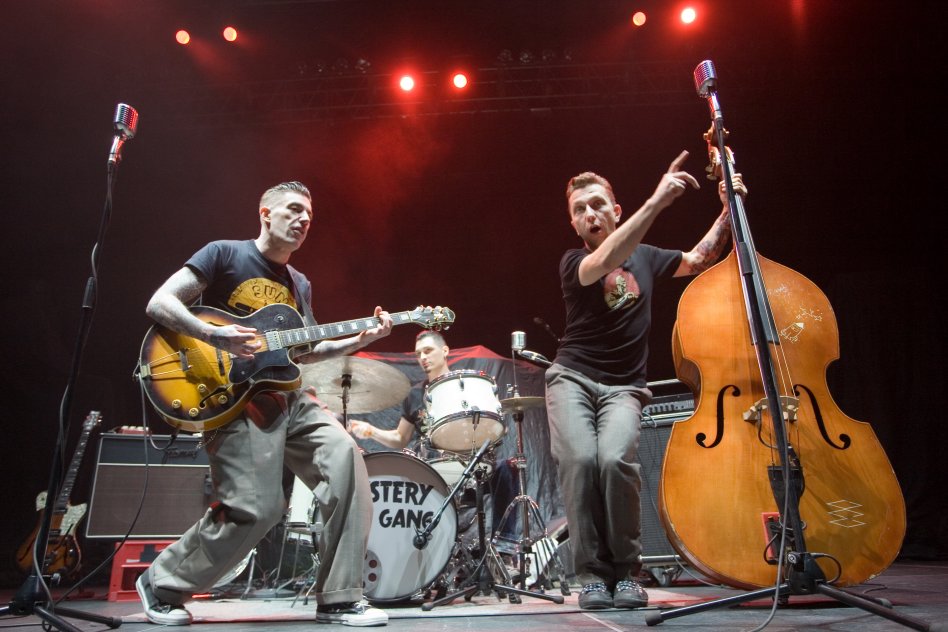
One release rarely changes everything overnight. Most successful independent artists build momentum gradually through consistent effort, smart promotion, and steady audience growth. The artists who grow the fastest are usually the ones who continue promoting long after release day passes. Songs often gain traction weeks or months later through playlists, blogs, videos, social media posts, or word of mouth sharing.

At Indie Bible, we believe artists should focus on creating sustainable systems instead of temporary hype. Strong indie music promotion combines streaming platforms, playlists, social media, blogs, live shows, and direct fan engagement into one connected strategy. Artists do not need unlimited money to grow. They need organization, consistency, quality music, and access to the right opportunities.

FAQs

What are the best indie music promotion services for independent artists?

The best indie music promotion services are the ones focused on real audience growth instead of fake numbers. Artists should look for services that provide transparent outreach, legitimate playlist opportunities, targeted promotion, and real industry contacts. Many independent artists also use resources like Indie Bible to manage outreach campaigns themselves while keeping costs lower.

How can artists promote your music without a major label?

Independent artists can promote your music through Spotify playlists, social media platforms, blogs, YouTube content, radio promotion, live performances, and direct fan engagement. Building consistency across multiple platforms is usually more effective than relying on one source of traffic.

Why are social media platforms important for musicians?

Social media helps artists connect directly with audiences while increasing visibility across platforms. Instagram Reels, TikTok, YouTube Shorts, and other platforms now play a major role in helping music heard by new listeners. Consistent posting also strengthens branding and fan relationships.

Does playlist promotion really help independent artists?

Playlist promotion can help independent artists reach new audiences when done properly. Legitimate Spotify playlists and curator relationships can drive streams, followers, and engagement from listeners who already enjoy similar music. The key is focusing on authentic playlists instead of fake stream networks.

Welcome back to the Indie Bible blog — your go-to for bold ideas that push your music career forward. Today, we’re diving into something that’s not just about music, but about money, identity, and connection: merch.

In 2025, merch is more than t-shirts and stickers. It’s a branding tool, a revenue source, and a direct line to your fans. Whether you’re selling online or slinging hoodies at shows, great merch isn’t just swag — it’s strategy.

Let’s break down how to master the merch game and build a brand that fans want to wear, rep, and support.


Why Merch Still Matters (More Than Ever)


With streaming paying pennies and social platforms always changing the rules, merch remains one of the most reliable and controllable income streams for indie artists. But it’s not just about making money — it’s about building your world.

Merch:


In 2025, artists who treat merch like part of their art — not just an afterthought — are seeing real gains.


Make Your Merch Mean Something


Fans don’t just want a shirt — they want a story. Your merch should reflect your aesthetic, lyrics, values, or the vibe of your current project. That might mean:


The more meaning behind the product, the more likely fans are to buy — and keep buying.


Hot Merch Trends for 2025


Want to stand out from the pile of generic tees? Here’s what’s popping right now:


How to Launch Without Losing Money


You don’t need a massive budget to launch killer merch. Here’s how to be smart about it:

  1. Start Small: A strong, single design is better than five weak ones. Test the waters.

  2. Use Pre-orders: Don’t print 100 shirts blindly. Let your fans order first — then fulfill.

  3. Print-On-Demand (POD): Companies like Printful and Teespring let you avoid inventory altogether.

  4. Create Exclusivity: “Only 50 made” creates urgency — and prevents overstock.


Where to Sell Your Merch


Selling merch is more flexible than ever in 2025. Here’s where to go beyond the merch table:


Design Tips That Sell


Even a great idea can fall flat with poor design. Don’t wing it — here’s what to keep in mind:


Final Thoughts: Your Merch Is You


In a world where your audience is global and digital, your merch is how fans wear your music in the real world. It’s more than a revenue stream — it’s identity, community, and impact.

So don’t just slap your name on a shirt. Build something fans actually want to live in.


Want help finding merch designers, distributors, or DIY resources? The Indie Bible has you covered. 💡

Subscribe to our newsletter for insider tools, strategy tips, and updates that help you turn passion into profit — on your terms.

— The Indie Bible Team

As we kick off 2025, it’s time to focus on one of the most underrated keys to indie success: embracing niche audiences.

While the mainstream music scene can feel like a crowded and competitive space, focusing on a niche market can give you a loyal, engaged fanbase, steady income, and creative freedom. Let’s dive into why niche audiences are the future for indie artists and how you can find and cultivate your own corner of the music world.

Why Niche Audiences Matter

Gone are the days when artists needed to appeal to everyone to make it big. Today, building a niche audience allows you to:

      1.    Stand Out in the Noise: The music industry is saturated with artists vying for attention. By catering to a specific niche, you can carve out your unique identity and attract fans who genuinely resonate with your sound.

      2.    Foster Deeper Connections: Niche audiences tend to be more engaged and loyal. These fans don’t just listen to your music; they connect with your story, attend your shows, and support your creative journey.

      3.    Unlock Monetization Opportunities: When you target a specific audience, you can create tailored products, experiences, and services that they’re more likely to pay for, from exclusive merch to personalized content.

Finding Your Niche

The first step to thriving in a niche market is understanding what makes you and your music unique. Here’s how to identify your niche:

      1.    Reflect on Your Strengths: What makes your music stand out? Is it your storytelling, genre-blending style, or raw emotional delivery? Identify what sets you apart.

      2.    Analyze Your Current Fans: Look at your fanbase’s demographics, interests, and behaviors. Use tools like Spotify for Artists or social media insights to understand who’s already engaging with your music.

      3.    Explore Micro-Genres: Dive into emerging micro-genres or subcultures that align with your style. Think about how your music fits into these spaces and how you can bring something fresh to the table.

      4.    Combine Interests: Your niche doesn’t have to be limited to music. Maybe your songs resonate with gamers, eco-conscious communities, or poetry lovers. Explore intersections of music and other passions.

Building and Growing Your Niche Audience

Once you’ve identified your niche, it’s time to grow your audience. Here’s how to do it:

      1.    Create Authentic Content

Tailor your music, visuals, and messaging to resonate with your niche audience. Authenticity is key—fans can tell when you’re genuine.

      2.    Leverage Niche Platforms

Go where your audience is. Whether it’s TikTok, Bandcamp, or Discord, find platforms that cater to your niche and focus your efforts there.

      3.    Collaborate Within Your Niche

Partner with artists, influencers, or creators within your niche. Collaborative projects like split EPs or joint tours can introduce you to a wider audience while strengthening your connection to the niche.

      4.    Host Intimate Experiences

Niche audiences thrive on personal connection. Host smaller, tailored events like living room concerts, Q&A sessions, or niche-specific festivals.

      5.    Engage, Engage, Engage

Respond to comments, answer DMs, and create polls or live streams to interact with your audience. Show your fans that you value their support.

Monetizing Your Niche

Once you’ve established a loyal niche audience, monetizing your music becomes easier. Here are some ways to turn your niche into a steady income:

      1.    Exclusive Content: Offer behind-the-scenes videos, early access to new music, or exclusive tracks on platforms like Patreon.

      2.    Custom Merch: Create unique merch that speaks directly to your niche. For example, eco-conscious fans might love sustainable merch options.

      3.    Specialized Gigs: Perform at niche-specific events, like vegan festivals or gaming conventions, where your audience is most likely to be found.

      4.    Digital Experiences: Host virtual concerts, workshops, or music lessons tailored to your niche. These events can reach fans worldwide.

Trends to Watch for Niche Musicians in 2025

As the indie music world evolves, here are a few trends that will benefit niche-focused artists:

      1.    Decentralized Platforms: Platforms like Audius are giving indie musicians more control over their music and fan interactions.

      2.    NFTs & Fan Ownership: NFTs aren’t just a buzzword—they can offer fans unique ways to support your work while giving them a stake in your music.

      3.    Hyper-Localized Touring: Smaller, intimate tours in niche markets can be more impactful (and cost-effective) than trying to cover massive regions.

Conclusion: Your Niche, Your Power

In 2025, thriving as an indie artist isn’t about going big—it’s about going deep. By embracing niche audiences, you can create meaningful connections, build sustainable income, and express yourself authentically. The path to success is yours to define, one loyal fan at a time.

What’s your niche?

— The Indie Bible Team

Let’s make 2025 your breakout year! 🎶✨ #IndieMusic #NicheAudiences #MusicMarketing #IndieBible

Hello, fellow indie music trailblazers! Welcome back to the Indie Bible blog, your go-to source for navigating the ever-evolving landscape of the music industry. Today, we’re diving deep into the essentials of mastering your indie music journey. Whether you’re a seasoned artist or just starting, this guide is designed to empower you with insights and strategies that will set you on the path to success.

1. Crafting Your Unique Sound

Your music is your identity, your fingerprint in the vast world of sound. Invest time in refining your craft, experimenting with genres, and embracing your authenticity. Your unique sound is your greatest asset – it’s what makes you stand out in a crowded industry.

2. Building a Strong Online Presence

In the digital age, your online presence is your virtual stage. Create a compelling and consistent image across social media platforms. Engage with your audience, share behind-the-scenes moments, and let your personality shine through. Remember, fans connect not just with your music but with you as an artist.

3. The Power of Collaborations

Collaborations can open doors you never imagined. Partner with fellow indie musicians, producers, or even visual artists. Cross-promotion can help you tap into new audiences and create a collaborative energy that resonates with fans.

4. Navigating the Streaming Landscape

Streaming platforms are the heart of the modern music industry. Understand how to leverage platforms like Spotify, Apple Music, and others to maximize your reach. Utilize playlists, engage with your audience, and optimize your profiles for discovery.

5. DIY Music Marketing

You don’t need a big budget to market your music effectively. Embrace the DIY spirit by leveraging social media advertising, creating eye-catching visuals, and engaging with music bloggers and influencers. Smart marketing can make a significant impact on your visibility.

6. Protecting Your Art: Understanding Rights and Contracts

As an indie artist, understanding your rights is crucial. Educate yourself on copyright laws, licensing, and contracts. Ensure that you’re protecting your intellectual property while also exploring licensing opportunities to get your music featured in various media.

7. Nurturing Fan Relationships

Your fans are your biggest advocates. Cultivate a loyal fan base by consistently delivering great music and engaging with your audience. Consider exclusive content, fan clubs, or virtual events to make your fans feel like an integral part of your journey.

8. Staying Resilient in the Face of Challenges

The indie music journey is filled with ups and downs. Stay resilient in the face of challenges. Learn from setbacks, adapt to changes, and keep honing your craft. Your ability to persevere is as important as your musical talent.

Remember, your journey as an indie artist is a marathon, not a sprint. Keep evolving, stay true to your vision, and let the Indie Bible be your companion on this exciting musical expedition. The world is waiting to discover your unique sound – let’s make it heard!

Stay indie, stay inspired! 🎶

Today, we’re diving into a topic that’s buzzing in every corner of the music world: AI and Indie Music.

Artificial Intelligence (AI) isn’t just for sci-fi movies anymore; it’s revolutionizing how we create, produce, and market music. And for independent artists, AI can be a game-changer—helping streamline workflows, enhance creativity, and even grow your audience. Let’s explore how you can harness the power of AI to amplify your music career.

How AI is Changing the Game for Indie Artists

AI is everywhere in music now, from composition and production to marketing and fan engagement. Here are some exciting ways that independent musicians can take advantage of this tech:

  1. AI-Assisted Music Creation
    AI-powered tools are reshaping the way music is created. From software that helps generate melodies and harmonies to platforms like Amper Music and AIVA, which aid in composing tracks, AI can boost creativity without overshadowing your personal style. Whether you’re feeling stuck or just want to try something new, AI can serve as a collaborator that’s available 24/7. The best part? You maintain full control over the final product.
  2. Personalized Mixing and Mastering
    For many indie musicians, mixing and mastering can be time-consuming and costly. AI tools like LANDR and eMastered are making it easier than ever to achieve professional sound quality without needing a high-priced studio. These platforms analyze your tracks and use algorithms to optimize your music based on genre and sound preferences, providing a polished product ready for release.
  3. AI-Driven Lyrics & Inspiration
    Stuck on lyrics? AI programs like Jarvis and LyricJam can help spark creativity. They suggest themes, lines, or complete verses based on your song’s mood, genre, and existing lyrics. Think of it as having a brainstorming partner who can kickstart your ideas or help you overcome writer’s block.
  4. Targeted Marketing & Playlisting
    AI is not only revolutionizing music creation but also marketing. Platforms like Soundcharts and Spotify for Artists use AI to analyze listener behavior, demographics, and track performance. By harnessing these insights, you can strategically plan your promotions and improve the chances of your song landing on curated playlists. Additionally, tools like ToneDen automate social media marketing campaigns, helping you reach your audience more effectively.
  5. Engaging with Fans Using AI
    Fan engagement is key for any independent artist, and AI can help make those connections stronger. Chatbots on social media or your website can automate replies to fan messages, offer recommendations for merch, and even handle ticket sales. This helps you maintain a personal touch while also saving time and energy for what you do best—creating music!

The Pros and Cons of Using AI in Your Music Career

While AI brings many benefits, it’s important to recognize both sides of the coin:

Pros

Cons

Balancing AI & Creativity: Tips for Indie Artists


  1. Use AI as a Tool, Not a Crutch
    AI can be an incredible asset, but it shouldn’t overshadow your artistry. Use AI to enhance your workflow and inspire you, not to fully replace your creative process. Remember, listeners connect with your voice and vision, not just algorithm-driven perfection.
  2. Stay True to Your Sound
    Technology is great, but don’t lose sight of what makes your music uniquely yours. Test different AI tools to see what fits your style, but always let your voice be the guiding force behind your sound.
  3. Experiment & Learn
    Experiment with a range of AI tools to see which ones best suit your needs. Take time to learn their features and possibilities—you might just stumble upon a new way to create that transforms your music for the better.
  4. Use AI Insights for Growth
    Analytics are powerful. Use AI-driven insights to better understand your fanbase, optimize your social media posts, and plan your release strategies. Let AI guide your decisions, but don’t be afraid to follow your gut when it feels right.

The Future of Indie Music & AI

AI isn’t just a trend; it’s here to stay. As the technology evolves, indie musicians have the opportunity to be pioneers in using AI to create and market music in new ways. Imagine collaborating with an AI to develop a new genre or using real-time data to instantly connect with fans worldwide. The possibilities are endless—and it’s up to you to make the most of them.


Today, we’re diving into one of the most exciting and rewarding aspects of being an indie artist: collaboration. Whether you’re teaming up with fellow musicians, producers, or visual artists, collaboration can spark creativity, open new doors, and elevate your music to new heights. Let’s explore how you can make the most of collaborative opportunities and create some serious magic together!


Why Collaborate? The Power of Teaming Up

Indie music is all about breaking boundaries and pushing creative limits. Collaboration amplifies this ethos, allowing artists to blend unique talents and perspectives. Here are a few reasons why teaming up is a game-changer:

  1. Fresh Perspectives: Working with others can bring new ideas and approaches to your music, helping you explore genres and styles you might not have considered.
  2. Skill Enhancement: Collaborating allows you to learn from others, picking up new techniques and skills that can enhance your artistry.
  3. Expanded Network: Each collaboration connects you with a new audience, growing your fan base and increasing your reach.
  4. Shared Resources: Pooling resources such as studios, instruments, and promotional channels can save money and time, making the creative process more efficient.


Finding Your Perfect Collaborator

Not all collaborations are created equal. Finding the right partner is crucial for a successful and enjoyable experience. Here’s how to find your ideal collaborator:

  1. Know Your Goals: Before reaching out, understand what you want to achieve. Are you looking to explore a new genre, improve your songwriting, or gain production expertise?
  2. Scout the Scene: Attend local gigs, join music forums, and participate in online communities to find like-minded artists. Platforms like SoundCloud, Bandcamp, and Instagram are great places to discover potential collaborators.
  3. Network Effectively: Networking is key. Build genuine relationships within the music community by attending events, engaging in social media groups, and participating in music workshops or seminars.
  4. Evaluate Compatibility: Ensure your artistic visions align. Have open discussions about your creative processes, goals, and expectations to avoid future conflicts.


Making the Most of Your Collaboration

Once you’ve found your collaborator, it’s time to make the magic happen. Here are some tips to ensure a smooth and productive partnership:

  1. Communicate Openly: Keep the lines of communication open. Discuss your ideas, timelines, and roles clearly from the start.
  2. Set Clear Roles: Define each person’s role in the project. Whether it’s songwriting, producing, or marketing, knowing who does what can prevent misunderstandings.
  3. Embrace Flexibility: Be open to experimenting and stepping out of your comfort zone. Collaboration is about blending different styles and ideas, so embrace the unexpected!
  4. Document Everything: Keep track of all agreements, ideas, and progress. This helps in maintaining clarity and can be useful for future reference.


Showcasing Your Collaborative Work

Once your collaboration is complete, it’s time to share it with the world. Here’s how to effectively promote your joint effort:

  1. Create a Compelling Narrative: Share the story behind your collaboration. Fans love to hear about the creative process and the journey you’ve taken together.
  2. Leverage Both Networks: Utilize both collaborators’ social media platforms, mailing lists, and fan bases to maximize reach.
  3. Engage with Your Audience: Host live sessions, Q&A events, and behind-the-scenes content to engage your audience and build excitement.
  4. Cross-Promote: Feature each other in interviews, playlists, and blog posts. The more cross-promotion, the better!


Conclusion: The Magic of Collaboration

Collaboration in indie music is more than just a trend; it’s a powerful tool for growth and innovation. By teaming up with other creatives, you can push your boundaries, expand your network, and create something truly unique. So, go out there, find your perfect collaborator, and start making magic!

Stay tuned for more tips and insights on navigating your indie music journey. Until next time, keep creating and inspiring!

— The Indie Bible Team


Today, we embark on a journey through the vibrant landscape of indie music, exploring its ever-evolving nature and the creative forces driving its evolution. Join us as we delve into the trends shaping indie music and celebrate the spirit of innovation that defines this dynamic genre.

Embracing Diversity: The Heartbeat of Indie Music

At its core, indie music celebrates diversity and individuality. From folk to electronic, rock to hip-hop, indie artists embrace a multitude of genres and styles, defying categorization and expanding the boundaries of creativity. This eclectic mix fosters a rich tapestry of sounds, each reflecting the unique vision and voice of the artist.

Trends Shaping the Indie Music Scene

Empowering Indie Artists: Tools and Resources

Celebrating Creativity: The Soul of Indie Music

At its essence, indie music is a celebration of creativity, authenticity, and artistic freedom. It’s about pushing boundaries, challenging norms, and daring to be different. As indie artists continue to innovate and evolve, the spirit of indie music remains vibrant, inspiring listeners and shaping the cultural landscape.

Conclusion: Embrace the Journey

As we navigate the ever-changing currents of the indie music scene, let’s celebrate the diversity, innovation, and creativity that define this dynamic genre. Whether you’re an artist, a fan, or simply an admirer of indie music’s spirit, embrace the journey and let the music guide you on a transformative adventure.

Here’s to the evolution of indie music and the boundless possibilities that lie ahead! #IndieMusic #Creativity #MusicEvolution 🎶✨

Introduction:

In the fiercely competitive world of independent music, having an outstanding Electronic Press Kit (EPK) is no longer an option; it’s a necessity. This blog post is a deep dive into the crucial components of a killer EPK, offering indie musicians a step-by-step guide to crafting a powerful tool that not only grabs attention but also opens doors to new opportunities.


Components of a Stellar EPK:


Writing an Engaging Bio:


High-Resolution Visuals:

original indie bible directory


Music Selection and Samples:


Conclusion:

In conclusion, underscore the EPK’s significance as a passport to opportunities in the music industry. Reiterate the need for indie musicians to invest time and effort in creating a polished, professional, and authentic EPK. Emphasize that a well-crafted EPK not only leaves a lasting impression but also serves as a powerful tool that can propel their independent music career to new heights.

Indie Music Guide

Welcome to the ever-evolving realm of independent music, where creativity knows no bounds, and passion drives every note. As an independent musician, you are the architect of your musical destiny, sculpting your sound and forging connections in a vast, dynamic industry. In this comprehensive guide crafted from your friends at The Indie Bible, we’ll explore the essential tools, strategies, and insights to empower you on your journey as an indie artist.


Section 1: Crafting Your Unique Sound

1.1 Embrace Your Authenticity

Your sonic identity is your greatest asset. Dive deep into your artistic core, explore diverse influences, and let your unique voice shine through. Remember, authenticity resonates with listeners and sets you apart in a crowded musical landscape.

1.2 The Art of Collaboration

Collaboration is key to musical evolution. Connect with fellow musicians, producers, and creatives to bring fresh perspectives to your work. Building a strong network not only enhances your creativity but opens doors to new opportunities.


Section 2: Navigating the Digital Frontier

2.1 Social Media Mastery

In the age of social connectivity, harness the power of platforms like Instagram, TikTok, and Twitter to build your brand and engage with your audience. Learn the art of storytelling through visuals and short-form content to captivate your fans.

2.2 Streaming Strategies

Platforms like Spotify and Apple Music can be powerful allies for indie musicians. Uncover the secrets of playlist placement, optimize your artist profile, and leverage data analytics to understand and expand your audience.


Section 3: DIY Music Promotion

3.1 Creating Compelling Content

Visuals are as important as the music itself. Develop eye-catching promotional material, music videos, and album art to leave a lasting impression. Quality content not only attracts attention but also tells your story in a memorable way.

3.2 PR and Press Outreach

Crafting a compelling press kit and reaching out to music blogs, podcasts, and local media can amplify your reach. Learn the art of writing a captivating press release and build relationships with influencers in your genre.


Section 4: Monetizing Your Craft

4.1 Merchandising Magic

Beyond music sales and streaming revenue, merchandising is a lucrative avenue. Design unique merchandise that reflects your brand, and explore dropshipping and print-on-demand services to minimize upfront costs.

4.2 Crowdfunding Success

Engage your fanbase through crowdfunding platforms like Kickstarter or Patreon. Offer exclusive content, behind-the-scenes access, and personalized experiences to incentivize your supporters and fund your creative endeavors.


Section 5: Staying Inspired and Resilient

5.1 The Mental Game

Navigating the music industry can be challenging. Cultivate a resilient mindset, celebrate small victories, and seek support when needed. Mental health is crucial for sustained creativity and success.

5.2 Never Stop Learning

Stay abreast of industry trends, emerging technologies, and new marketing strategies. Attend workshops, webinars, and conferences to continuously refine your skills and adapt to the ever-changing musical landscape.


As an independent musician, your journey is a tapestry of creativity, resilience, and innovation. Armed with the insights from this guide, go forth and conquer the sonic frontier. Remember, the most profound music emerges from the depths of authenticity, and your unique voice has the power to resonate with the world. Embrace the challenges, celebrate the victories, and let your music echo through the corridors of time.

If you are an independent musician, this blog is specially curated for you. With the music industry continuously evolving and technology transforming the way we create, promote, and listen to music, it’s vital for independent artists to stay in tune (pun intended) with the changing landscape. One significant change is the rise of social media as a promotional tool. It has reshaped the music scene, opening a world of opportunities for indie artists. Today, we'll delve into how you can harness the power of social media to build your music career.

danny-howe-bn-D2bCvpik-unsplash

The Power of Social Media in Music

Social media provides an incredible platform for indie artists. It offers you a way to connect with fans, promote your music, and expand your audience reach globally. Here’s a stat that may impress you: as of 2023, there are 4.2 billion social media users worldwide. Imagine having even a tiny fraction of this enormous crowd as your listeners!

Build Your Brand

Every successful artist has a unique brand. Social media allows you to define yours. Your music, personality, aesthetics, and values all contribute to your brand. Consistency across your profiles is key. Ensure your bio, pictures, and posts reflect who you are as an artist. Be authentic and don't be afraid to show your individuality - it’s what sets you apart!

Create Quality Content

While it's important to promote your music, don't make it the sole focus. Diversify your content to keep your audience engaged. Behind-the-scenes peeks, livestreams, Q&As, and posts about your influences and daily life create a multifaceted online presence. Visual content is incredibly powerful, so regularly post high-quality images and videos.

Engage With Your Audience

Social media is a two-way street. It’s not just about pushing content, but also about interacting with your fans. Respond to comments, ask for their opinions, host live sessions, and create community-focused content. This interaction can help strengthen your bond with your audience, transforming casual listeners into loyal fans.

Leverage the Right Platforms

While it's good to have a presence on multiple platforms, it’s crucial to understand where your target audience spends most of their time. If your fan base is younger, you might want to focus on platforms like TikTok or Instagram. If you have a more mature audience, Facebook or Twitter might be more suitable.

Use Tools for Analytics

Understanding what resonates with your audience is vital. Most social media platforms offer built-in analytics tools. These tools can provide insights into which posts your fans engage with the most, what time they're online, and demographic info. Armed with this data, you can tailor your content for maximum impact.

Collaborate

Don't limit yourself to your own social media channels. Collaborate with other indie artists, influencers, or music bloggers. This strategy can help you reach new audiences and gain more exposure.

Stay Updated

Social media platforms often introduce new features (like Instagram’s Reels or TikTok’s Duet), so stay updated. These features are usually designed to increase engagement and visibility. Use them creatively to promote your music.

To conclude, social media offers you, as an indie artist, a platform to reach out to a global audience, interact with fans, and grow your brand. It's a world full of potential – the key is to use it strategically. Remember, your music is your message, and social media is one of the most powerful megaphones you can use to amplify it!

Happy creating and promoting!

To support artists during these difficult times, all our directories are 40-60% off

X